

Budget RC Racing: Turning a £47 eBay Wreck into an LMGT3 Racer

Interested in serious RC racing without a mortgage? Moreover, LMGT3 provides a practical entry point. LMGT3 is a relatively new 1/12‑scale racing class. It is about a year old and serves as an entry point to fast LMP cars. Those LMP machines are notoriously hard to handle. They are expensive to enter. LMGT3 created a more accessible on-ramp to proper racing for newcomers, mini racers and parents.
In this build, the point was to prove you don’t need a shiny new chassis to get on track. You only need a bit of patience, some secondhand parts, and a willingness to hunt for a bargain.
The Base Car: A £47 eBay Gamble
Consequently, the LMGT3 ethos pushes racers to reuse a secondhand GT12 or LMP chassis. It discourages splashing out on anything brand new. The search began on eBay. It landed for just £47, a Schumacher Atom 1, 1/12 scale, complete with a handful of hop-ups.
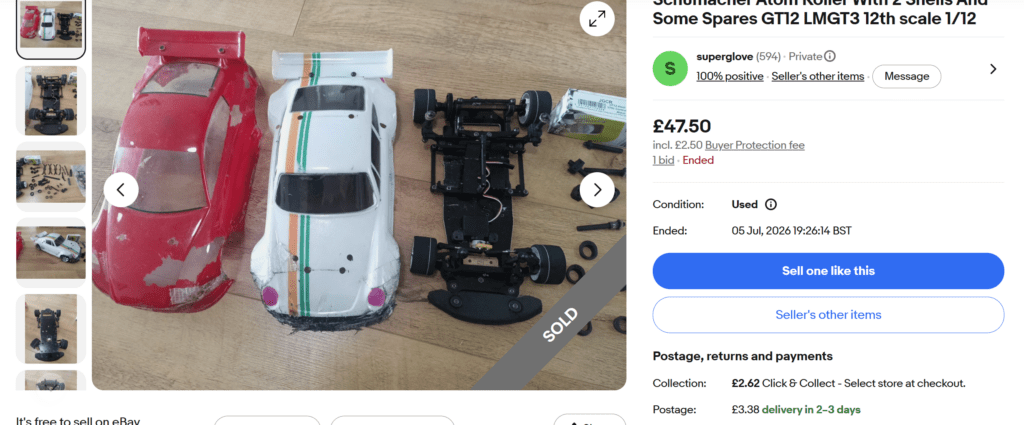
The unboxing revealed a battered Porsche shell plus spares, tyres, plastics, glue, spacers, and a battery tray. The chassis came with genuinely useful upgrades already fitted. These include a rear weight, an upgraded axle with a ball differential, and metal front hubs. All of these would normally cost extra on their own. We included a small steering servo as well, but it soon proved to be more trouble than it was worth.
Kitting It Out for LMGT3
Once we had sorted the base chassis, we brought it up to LMGT3 spec, which imposes a few class-mandated requirements.
- Motor: A 25.5-turn brushless motor is mandatory. We borrowed an existing 25.5-turn fixed-timing motor from another car in the fleet instead of buying a new one.

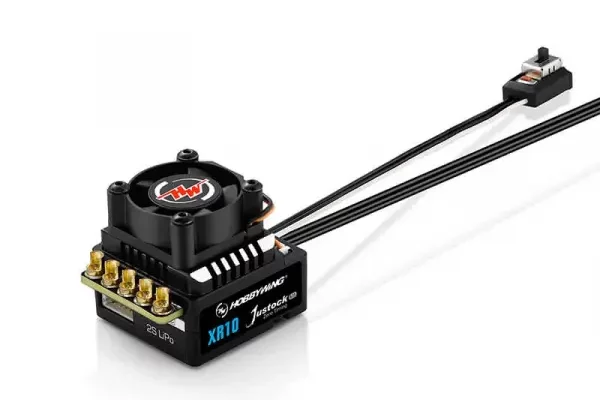
- BRCA guidelines cap the ESC cost at under £80. We reused an existing ESC unit instead of buying a new one.
- Additionally, the class strongly recommends 38-shore contact American-spec purple stripe tyres for rear, paired with ‘throttle’ tyres on front. Note that some chassis use a hex wheel mount while others use a three-point connector. Verify which type your car requires before ordering wheels.
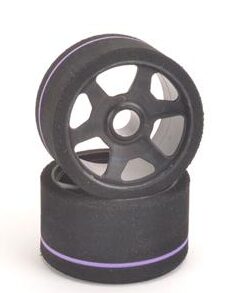
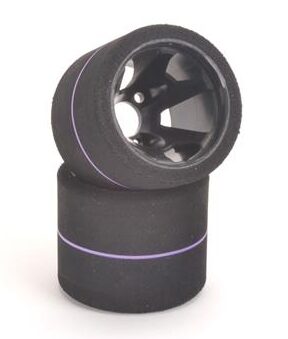
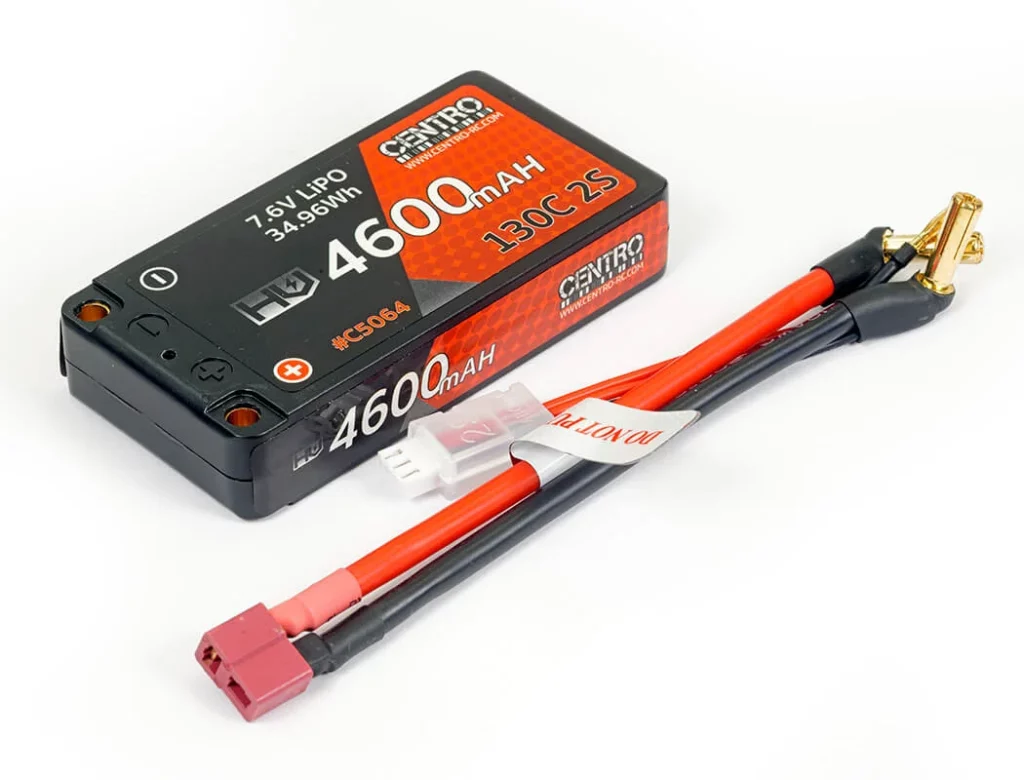
- A battery footprint of about 93mm by 47mm by 18mm shapes LMGT3 cars, ruling out many LiPo packs. A smaller HV race pack (4600mAh, 7.6V, 130C) from Wheelspin Models fit snugly into the compact battery tray. Sticking to this smaller size also keeps the centre of gravity low, which pays off in handling.
- With a 48-pitch spur gear fitted, we needed a 48-pitch pinion to match. A 34-tooth pinion proved the right choice for the local track’s gearing setup. It came from a small assortment bought for about £10.
For the finishing touch, a clearance-bargain Lamborghini body shell (£11.99) was picked up, hand-painted, and finished off with some custom printed stickers — proof that a smart-looking car doesn’t need a big budget either.
The LMGT3 Cost Breakdown
Adding it all up, here’s roughly where the money went:
- Base car (eBay): £47
- Motor + ESC (reused from another car, valued at roughly): £100
- Wheels: £13
- Pinion gears: £10
- Body shell: £12
All told, that’s around £200 for a complete, race-ready car — excluding the transmitter and receiver, which most people getting into RC racing will already have. For reference, a Fly Sky GT7 Plus radio runs about £70, with receivers around £16.
For a class designed to get people racing without breaking the bank, £200 all-in is a pretty compelling number.
Build Problems: Servo Smoke and Axle Widths
No budget build goes perfectly smoothly, and this one had two hiccups worth knowing about if you’re planning your own.
Problem 1: The servo died — literally. The steering servo that came bundled with the car didn’t take kindly to being powered up, producing smoke within a couple of seconds before failing completely. It was swapped out for a low-profile Savox-style servo running a 0.9-second transit speed at 6V, which turned out to be far more capable — though as you’ll see below, even this wasn’t the end of the servo saga.

Problem 2: The car was too wide. BRCA regulations cap the rear axle width at 172mm. The wider USA-spec LMGT3 wheels, combined with the ball-diff axle that came with the car, pushed the width out to around 185mm — well over the limit. The fix involved swapping in an axle from a Schumacher Eclipse, which got things closer at around 175mm, but still not quite there. The final trick was reversing the wheel hub on the axle and adding 2–2.5mm spacers on each side, which brought the width down to a legal 172mm without the wheels clashing against the body.
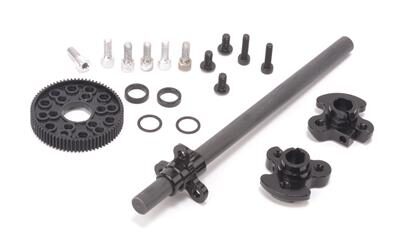
It’s a fiddly fix, but it proves the swap is entirely doable if you’re building an Atom with Eclipse axle parts.
First Run at of the LMGT3 @Medway RC Raceway
With the car built, painted, and (mostly) legal, it was time for the real test: a first run at Medway RC Raceway.

The verdict? Genuinely brilliant fun — but also a car that clearly still needs some setup dialling in. A few issues cropped up almost immediately: the replacement servo turned out to still be too large and needed to be swapped for something smaller, and the car was fighting some steering lockout mid-race, costing valuable time in a few corners. Cautious of pushing luck on lap one, the car stayed on its battered original shell rather than risking the freshly painted Lamborghini body.
Handling-wise, the class delivered exactly what it promises — LMGT3 is precise and controllable, if a little tricky to get your head around for the first few laps. Every lap after that got noticeably easier, which is a good sign for anyone worried about the learning curve.
One practical tip for anyone planning to race rather than just bash around: bring two batteries. You’ll want one charging while the other is racing, ideally with a third in rotation if you can manage it.
Final Thoughts on LMGT3 RC
This build is a solid case study for anyone who assumes RC racing has to be an expensive hobby to get into properly. A car that’s years old, picked up secondhand for under £50, and built up with a mix of borrowed and budget parts can still be genuinely competitive in the LMGT3 class — which is exactly the point of the class existing in the first place.
If you’re weighing up whether to get into RC racing, the advice here is simple: don’t feel like you need to buy new. Grab a decent secondhand GT12 or LMP chassis, source your motor, ESC and tyres sensibly, and get down to your local track. Setup tweaks (servo choice, steering behaviour, and general tuning) will be covered in a follow-up build video — but even before any of that fine-tuning, this £200 build was ready to turn laps and have fun on day one.
Got questions about the build or the LMGT3 class? Drop them in the comments — there are plenty of racers at the track with more LMGT3 knowledge to draw on, and any extra tips will get passed along in future videos.
Checkout some other reviews and tips Fatboys RC Blog Page


